Week Six: Calm Body, Calm Mind
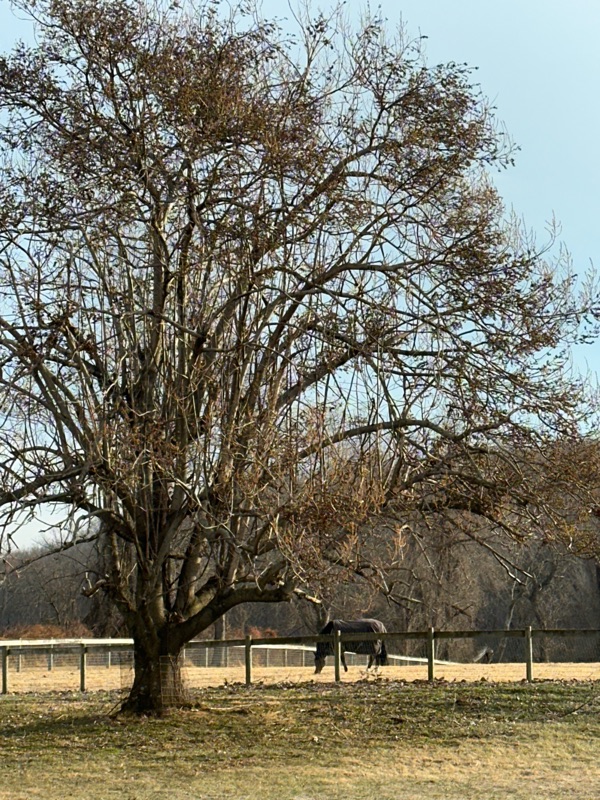 I’ve learned over time that calm isn’t something you insist on—with a horse or with yourself.
It’s something you practice.
Winter makes that lesson unavoidable. Muscles tighten faster. Joints warm up slower. And if we aren’t intentional, stiffness walks straight from the barn aisle into the ride.
This week is about noticing how our bodies lead the conversation. When the body softens, the mind follows. When both settle, the horse feels it almost immediately.
Slow, sustained movement increases blood flow, reduces muscle guarding, and shifts the nervous system out of bracing mode. A long, deliberate warm-up—fifteen to twenty minutes at the walk—tells the body it’s safe to let go. As proprioception improves, balance becomes quieter, coordination clearer, and contact more consistent. Instead of holding ourselves together through tension, alignment begins to happen on its own. Horses respond quickly to that change.
This is why so much of our winter work has focused on focused reps rather than force. Not doing more. Doing better. Checking back in, softening, and riding from awareness.
Breath-Paced Groundwork
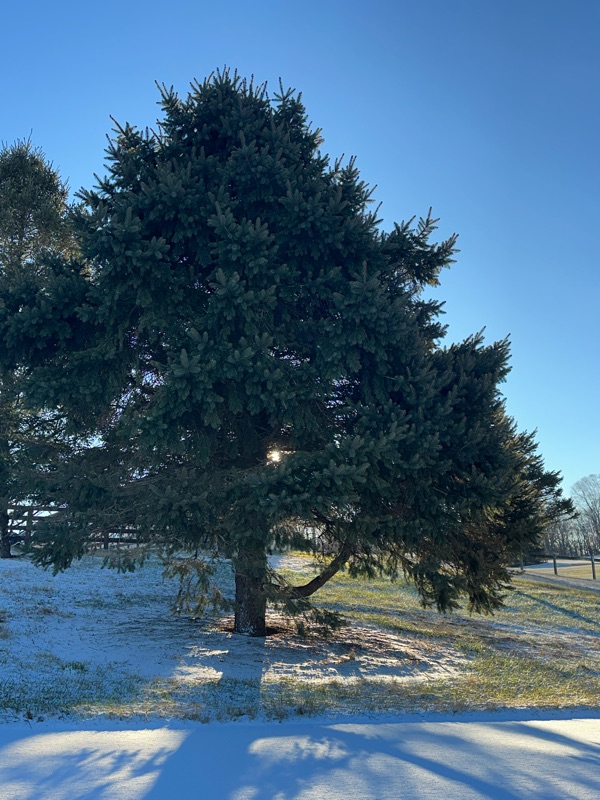
Before I ever get on, I like to match my breath to a horse’s four-beat walk. Most days this happens during morning chores—usually walking up the hill from the ‘back 40’ feeding the retirees, and inevitably returning to the barn more out of breath than I should be. Barn people, now you know.
- Inhale for four steps
- Exhale for four steps
Slow, rhythmic breathing stimulates the vagus nerve, helping the body shift out of stress and into regulation. Horses, as prey animals, are incredibly sensitive to these changes. When your breath steadies, their nervous system often follows.
I will also do this matching my breathing in and out for four steps while on the horse as well, this co-regulation in real time. And if you’ve attended one of my clinics this year, you’ve already practiced this—whether you realized it or not. The pattern is always the same: when the rider settles first, the horse doesn’t need to be managed.
Stretching Into the Ride
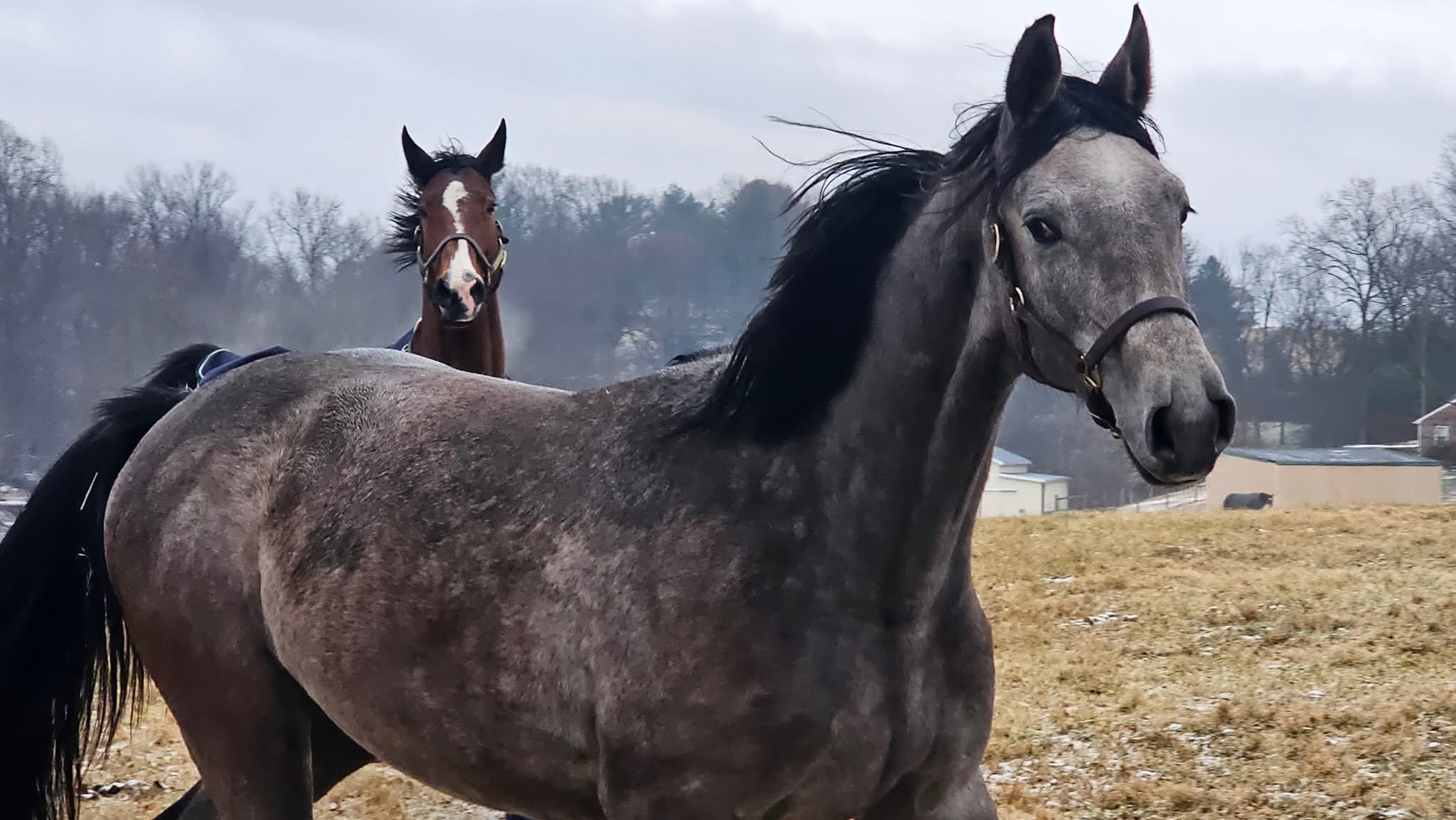
Long before I had language for nervous systems and proprioception, I had a grandmother who taught it all at the walk.
If you ever had a lesson with her, the first instruction never changed: feet out of the stirrups.
Always quietly. Always unhurried. We would walk the ring while she watched—not the horse, but how the rider occupied their body. Only then would the stretching begin.
Arm circles came first. Forward and back, thirty each way. Slow, controlled, kind. Then ankle rotations—left and right, waking up the joints without gripping.
Next, the inside knee bend. Still without stirrups. Lift the inside ankle toward the hip, knee facing the ground, and hold for thirty seconds. The challenge isn’t flexibility—it’s staying square in the saddle. Then switch sides.
Both legs out to the side follow. Balanced seat, correct pelvis, hold for thirty seconds. Most horses stop the first time this happens. Your body has spoken clearly.
Then toes to the girth. Let the legs drape down and around, pelvis neutral, imagining the toes touching beneath the horse. Hold for thirty seconds. Connection without clamping.
Shoulder shrugs come next—scrunch up, then let go. Thirty times. Often the biggest release of the ride.
Waist turns demand honesty. Legs remain quiet. Inside hand on the cantle, outside hand on the pommel. Shoulders level, lower legs still. Turn your head to the inside see the tail and hold for thirty seconds. Repeat to the outside (switch hand positions).
We finish with head ‘rotations’. Soft, deliberate movements—never a roll. Look left, right, down, back, ear to shoulder. Thirty repetitions total.
Only after all of this do we add more: posting at the walk without stirrups (30), two-point without stirrups (hold for 30), and—if the body is truly ready—trot and canter work.
The point isn’t how much you do.
It’s how intentionally you begin.
Tension Awareness
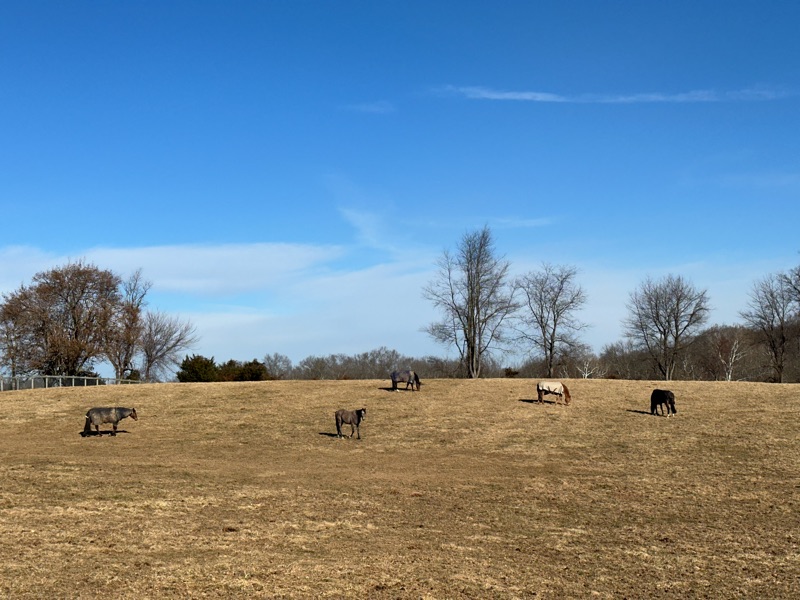
The wind blows.
Snow slides off the roof.
Something breaks the quiet.
Tension shows up before thought. Shoulders lift. Hands tighten. Breath pauses. The horse feels it instantly.
The work isn’t eliminating tension—it’s noticing it and releasing it. Exhale. Soften your jaw. Let your shoulders drop. Your horse reads that change faster than any aid.
When a rider is regulated:
- Reaction time improves without rushing
- Muscle tone becomes elastic
- Decision-making stays flexible under pressure
This is why calm can’t be faked.
Walk Warm-Up Reference
(15–20 minutes | no stirrups | quiet intention)
- Arm circles: 30 forward / 30 back
- Ankle rotations: 30 each direction
- Inside knee bend: 30 seconds each side
- Legs out to the side: 30 seconds
- Toes to the girth: 30 seconds
- Shoulder shrugs: 30 repetitions
- Waist turns: 30 seconds each side
- Head rotations: soft, deliberate, 30 total
Optional once loosened: posting at the walk, two-point, trot and canter if ready.
This is an invitation to ride with more ownership this winter. To slow the beginning so the rest of the ride can move forward with clarity. The riders who improve aren’t the ones who rush—they’re the ones who practice calm until it becomes reliable under pressure.
Calm isn’t passive.
It’s a skill.
And like every good skill in horsemanship, it’s built one intentional repetition at a time.
xx - P
#minfulnesshorsemanshipjourney #seethebeautyaroundyou #gratitudeforthejourney
Bonus:
Podcast: Dear Horse World: Emilie Conner
YouTube: Misty Morning
Reading/Audible: The Confident Mind
Don't forget, I'm just an email away, let me know what inspires you too!


Comments
Post a Comment