Week Five: Rest As Training
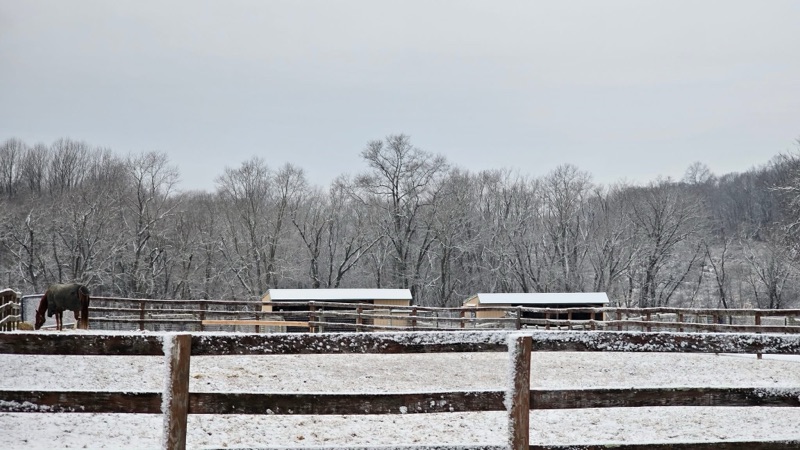 January asks us to slow down, whether we planned to or not. The cold settles into the ground, the days grow quieter, and both horses and humans feel the pull toward rest. This isn’t accidental—nature is built on cycles of effort and recovery, growth and pause.
In the wild, animals don’t push endlessly forward. They rest when conditions ask them to. Their bodies reset, their minds stay clear, and when it’s time to move again, they do so with purpose. Humans are no different, even though we often forget we’re allowed the same permission to rest.
Rest is not lost time.
Rest is not weakness.
Rest is part of the training.
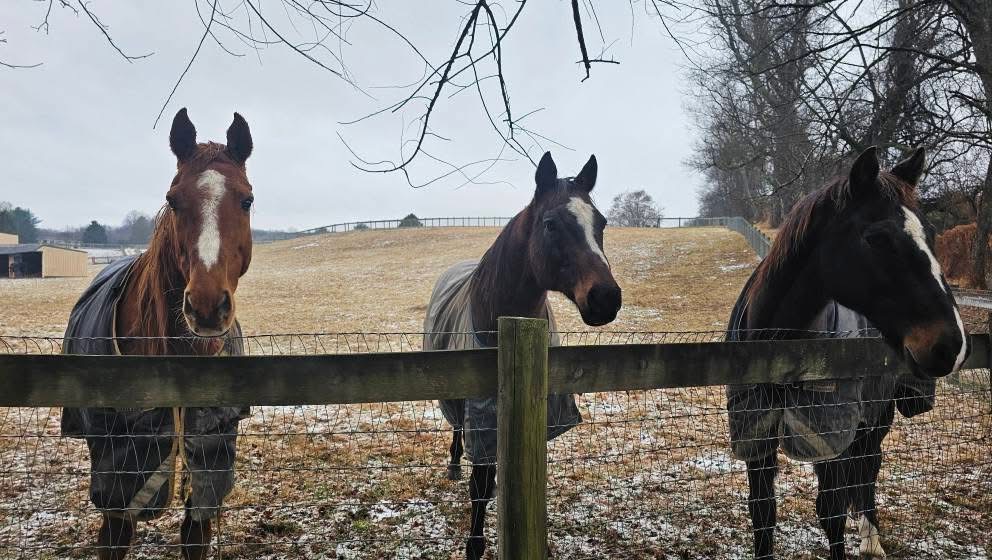
Week Five of our Mindfulness & Horsemanship Journey invites us to see rest as a deliberate, essential phase in preparation. Most local show circuits haven’t restarted yet, making this a rare and valuable window—a time to step back and honestly reevaluate where your horse is physically, mentally, and emotionally.
Ask yourself:
• How does my horse feel in their body right now?
• Are they truly sound, comfortable, and relaxed in their work?
• Are they mentally fresh, or quietly carrying tension from last season?
This is the perfect moment to assess without judgment. To listen without urgency.
A moment for reflection: January preparation, June results
One other thing I’d like everyone to pause and reflect on this week is this: How does what you’re doing in January actually support where you want to be in June?
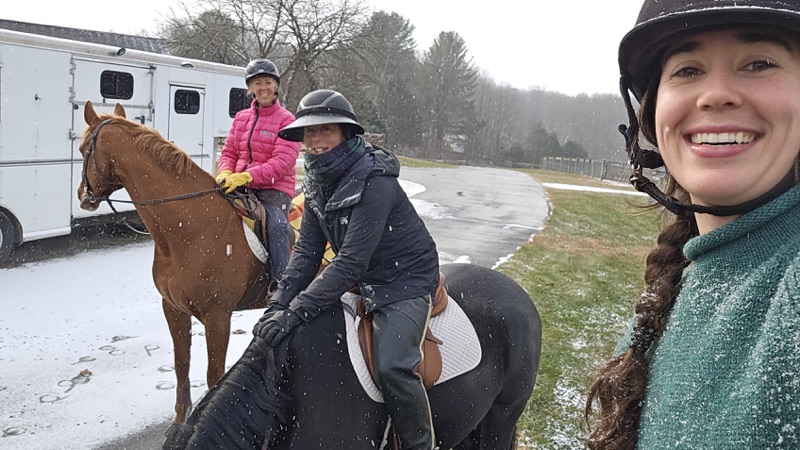
Right now, my horses aren’t overly fit. I’d say they’re sitting around 60%. They’re in work maybe four to five days a week, and I change the rides as much as I can (hack out, bareback, ride inside and outside as much as I can)—just like I do during the regular training months—because variety still matters for both the body and the mind.
What has changed is my expectation.
When my horses aren’t in full training, my shoulder-in and shoulder-out might be three or four really good steps, followed by an open trot around the ring. Not all the way down the long side and back again if they start to lose the balance or understanding. That doesn’t mean I stop asking questions—it means I ask them at a volume their bodies (minds) can answer right now.
I’m still thinking physically.
I’m still training.
But I’m doing it at about 30–50%, on purpose.
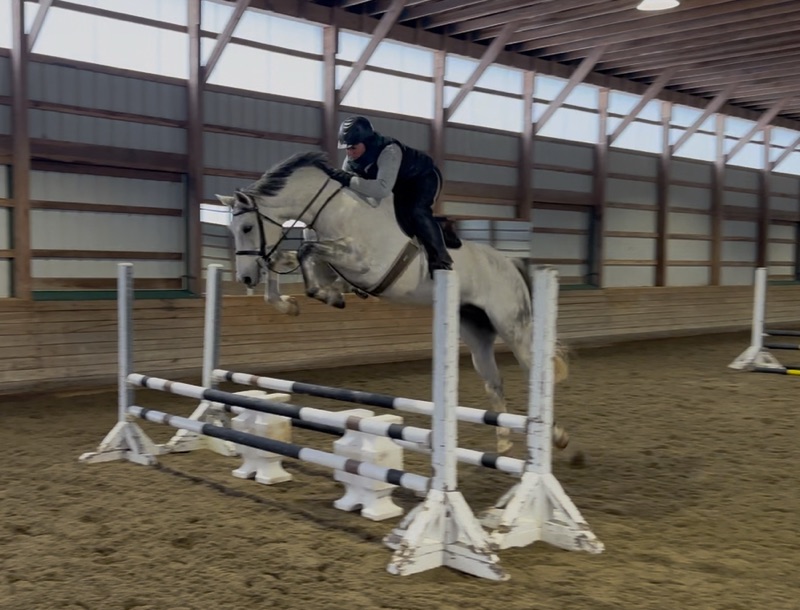
This is where rest and preparation meet. You don’t abandon the work—you refine it. You prioritize quality over duration, clarity over intensity, and long-term soundness over short-term toughness.
January doesn’t need to prove anything.
It needs to support what’s coming next.
If what you’re doing now builds understanding, confidence, and soundness that will carry you into summer, then you’re on the right track—even if it looks quieter than you expected. And if you’re still figuring that out, you’re not behind. You’re paying attention.
Sometimes the most honest training question isn’t “Did I work hard today?”
It’s “Did this move us forward?”
That awareness, more than anything, is what carries us from winter into the season ahead.
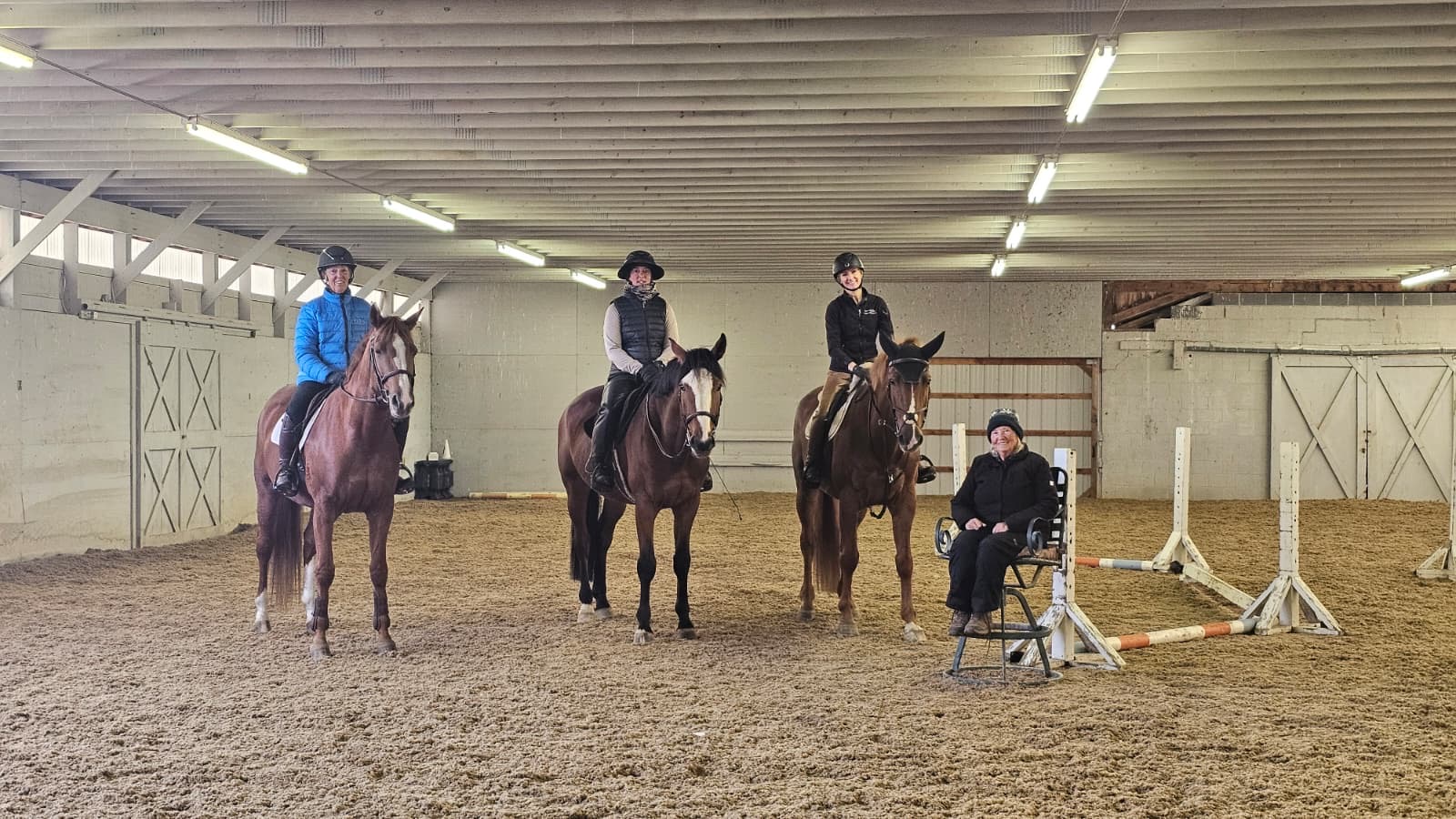
The science behind rest (and why it matters)
Muscle, tendon, and connective tissue don’t strengthen during work—they adapt during recovery. Training creates tiny, controlled micro-stresses in the body. Rest is when the body repairs those tissues, lays down stronger fibers, restores glycogen stores, and recalibrates the nervous system.
Movement is always important. Gentle, voluntary motion supports circulation, joint lubrication, lymphatic flow, and overall tissue health. But there’s a difference between movement and work. Genuine rest—without demands, expectations, or mental pressure—allows inflammation to settle, minor strains to heal, and fatigue to resolve before it becomes injury.
Horses, especially, are masters of this balance. Given the choice, they move when it benefits them and stand quietly when their bodies need it. When we remove all true rest from the equation, we interrupt a biological process that’s designed to protect soundness and longevity.
What a rest day looks like for me
Rest doesn’t look the same every day.
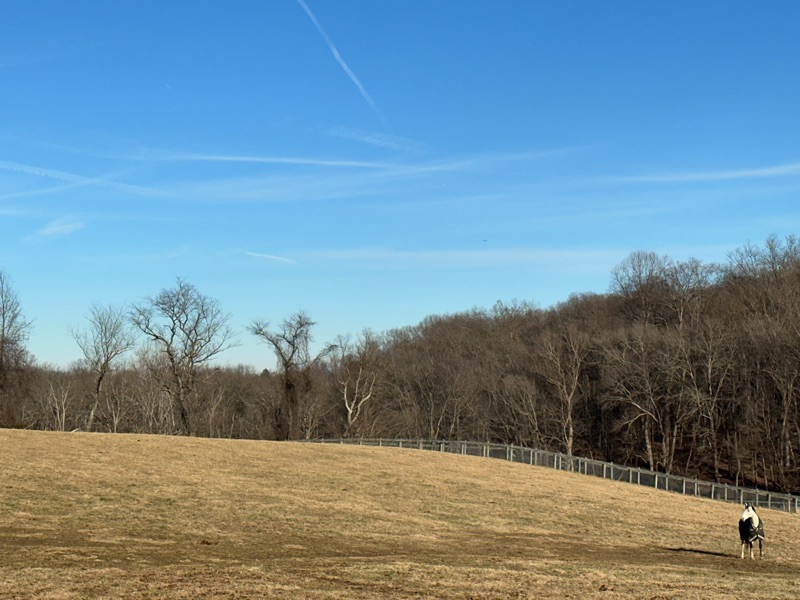
One version is weather-dependent. If it’s one of those “perfect” days (perfect by horse standards, not necessarily mine), I let them stay outside all day. Sunshine, hay, space, and the freedom to just be horses. I trust that doing horse things is doing enough.
Another version is for horses on a more structured turnout schedule—right now, something like 7:00am–2:30pm. On a rest day, that might mean a short hand graze, no grooming unless there’s a medical reason or mud that could cause scurf, and then that’s it.
If a horse offers a little more—maybe a quiet hand walk—I’m okay with that. But I’m careful not to let it turn into a “I’m not telling you where to go and what to do today” routine. Rest days shouldn’t quietly become training days in disguise.
Horses like being dirty.
They like interaction and attention.
But sometimes—even they need a break from us.
Training Mindset: Learning Through Observation
For this week’s mindset work, I highly recommend spending time on ClipMyHorse. Instead of watching highlight reels on Facebook or Instagram—the wins, the fastest rounds, the highlights—log in and watch full classes from start to finish.
There’s real education in the in-between moments.
When you watch an entire class, you start to see how much the course walk matters—and also how even the best course walk doesn’t always add up once you’re in the ring. You begin to understand how riders adapt, reassess, and problem-solve in real time.
Watching other riders go before you isn’t about copying their plan. It’s about feedback. Information. Context. What worked for one pair might not be appropriate for you and your horse—and that distinction matters.
You’ll notice things like:
• One rider riding a bending nine down a line that matches beautifully into a triple combination
• Another rider choosing to rebalance for the ten, keeping extra power behind so the horse doesn’t jump flat into the combination
Both can be correct. Both can be brilliant. They’re simply different solutions for different horses.
When you watch, don’t try to absorb everything at once. Pick one specific thing per round. Take notes. Compare what they do to what you tend to do, and how that aligns with what you’re trying to improve right now.
Maybe you focus on:
• Following your track
• Soft, consistent hands
• Lower leg stability
• Seat balance and timing
It’s easy to watch a class and only register who went clear and who didn’t. But from a training perspective, I’ll sometimes watch an entire class and focus on just one detail—hands, or seat balance, for example. Compare styles like Ben Maher versus Henrik von Eckermann. Vastly different approaches, different horses, and both absolutely brilliant in their own way.
This kind of observation sharpens your eye without adding physical strain—to you or your horse. It builds understanding, patience, and respect for the fact that there isn’t one “right” way to ride well.
And in a week focused on rest as training, this matters. You’re still learning. You’re still growing. You’re just doing it quietly, intentionally, and without asking more of your horse’s body than it’s ready to give.
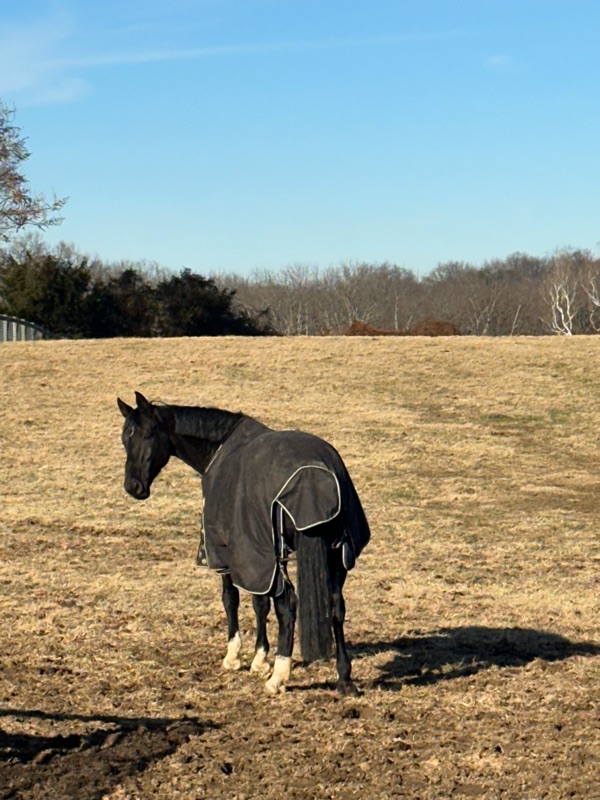
Let this week be a reminder that preparation doesn’t always look active. Sometimes the most important work happens when we step back, allow space, and trust the body to do what it was designed to do—heal, adapt, and come back stronger.
xx - P
#minfulnesshorsemanshipjourney #seethebeautyaroundyou #gratitudeforthejourney
Bonus:
Podcast: Practical Horseman/ Tom Brennan (my favorite part is the baseball analogy)
YouTube: Minute with Mike: John French
Reading/Audible: Winterdance
Don't forget, I'm just an email away, let me know what inspires you too!


Comments
Post a Comment